


Three posts a week and a carousel about burnout can only take you so far. You might as well register a few comments but your inbox remains silent, again.
This isn’t your expertise falling short. It is the system failing to turn registered attention into booked calls. For a counselor or coach, getting visible is only the first step towards an effective digital marketing campaign. You need to get clients and that sits completely different from being seen.
There is a reason your inbox stays silent while your carousel registered impressions. The digital marketing strategies that work for coaches not only register impression, but bring the right people to you. Most of these people are already looking for you and the service you’re providing. It makes it easier for them to say yes to a consultation.
This blog covers seven practical and action-based strategies, covering your website, search, content, social media, Google Ads, email, and tracking.
Why Your Coaching Business Isn’t Getting Enough Clients
Before you fix the traffic problem, there is another issue worth fixing: clarity and conversation.
- Unclear positioning. “I help people live their best life” doesn’t tell a burned out sales manager that you’re the coach for them.
- No obvious next step. People enjoy your content but can’t easily book a call.
- Inconsistent visibility. You show up in bursts, then disappear for weeks.
- Poor targeting. You attract people who love free advice but can’t afford coaching.
Each strategy below closes one of these gaps. If positioning is your weak spot, it helps to understand how a strong brand supports business growth before you spend anything on ads.
7 Digital Marketing Strategies to Get More Coaching Clients
A working digital marketing strategy maximizes your chances to get clients that are already looking for your services. The following seven strategies are independently important and must be covered with a separate focus.
1. Build a Website That Turns Visitors Into Coaching Inquiries
Once a visitor lands on your website, they must have answers to the first three questions: who are you helping, what you change for them, and how can they get started. On average, if the visitors need to scroll for long to find those answers, they leave.
- Give each offer its own page, such as career transition coaching, leadership coaching, or your group program, instead of one crowded services page.
- Place a booking button near the top and repeat it after key sections.
- Keep forms short. Name, email, and one question about their goal is usually enough.
- Show genuine testimonials, credentials, or media mentions if you have them.
- Check every page on your phone, because many prospects find you while scrolling.
A website won’t create demand on its own, but it decides how much of your existing traffic becomes inquiries. If you’d rather not build it yourself, Turn Up Technologies designs coaching websites with integrated booking and conversion tracking.
2. Use SEO to Reach People Searching for Coaching Services
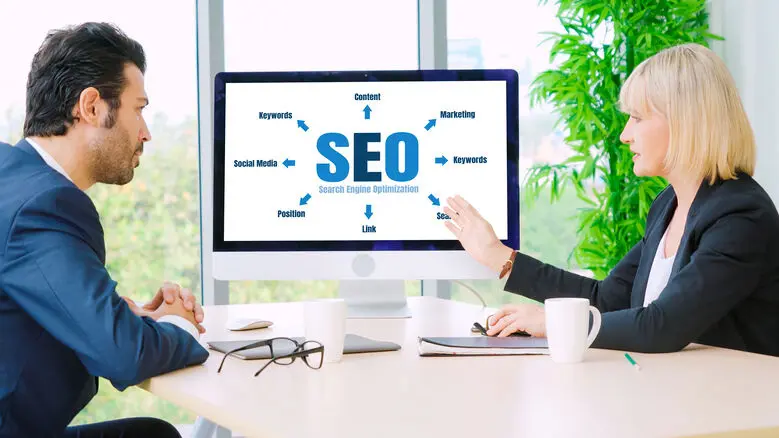
SEO for coaching businesses helps you get in front of the audience that are already searching for help. You are no longer trying to book an audience that are only passively scrolling.
Let’s say you were a career coach. There are people online searching for queries like, “what is the best age to switch careers?” or “career coach for a midlife career switch”. These people have a query you can solve and some of them are looking for you to solve their issues.
- Create a dedicated landing page for each core service, using the words your clients actually use.
- Publish articles that answer common client questions honestly and in depth.
- Set up a Google Business Profile if you coach clients locally.
- Write for people first. Google’s guidance on creating helpful, reliable, people first content explains what it looks for.
Rankings bring visitors, not clients. Your page and offer still do the converting, and SEO takes months to build, so treat it as a long term asset.
3. Create Content That Builds Trust Before the First Consultation
When someone decides to hire a coach, they are aiming for a purchase that will be personal. Hence, before someone books a call, they look for how you think and whether you will understand their situation instead of providing a general output. Content marketing for coaches gives them that preview.
- Early stage: posts and short videos about the problems they face, like why they keep putting off the big decision.
- Considering: your method explained, client stories shared with permission, and what a session actually looks like.
- Ready to buy: what the first call involves, how programs are structured, and honest answers about commitment.
Take any of your posts and test it through the following statement: Does hiring you feels like a small win for your prospect? For the bigger planning picture, building a digital content strategy that drives results goes deeper.
4. Use Social Media to Reach and Engage Potential Coaching Clients
A good social media marketing strategy for coaches starts with aiming for the appropriate platform. Look for the place most of your audience/clients spend time.
- Executive, leadership, and career coaches usually find their audience on LinkedIn.
- Life, wellness, and relationship coaches often do better on Instagram or Facebook.
- Short video works almost everywhere for showing your personality and approach.
Teach in your posts, then start real conversations in comments and messages. Your bio link should go straight to a booking page.
Be honest about metrics. A post with 2,000 likes and no inquiries did worse than a post with 40 likes and three discovery calls. Once organic content shows what resonates, paid social can scale it, and a social media ad agency can handle audience targeting and creative testing if you don’t have the time.
5. Run Targeted Google Ads to Reach Clients With Stronger Buying Intent
While SEO triggers a good search intent, it will not necessarily trigger a higher buyer intent. The person searching for “how to switch careers in midlife” might as well require information only. Also, a good SEO strategy requires anywhere from 4 weeks to 6 months before returning leads.
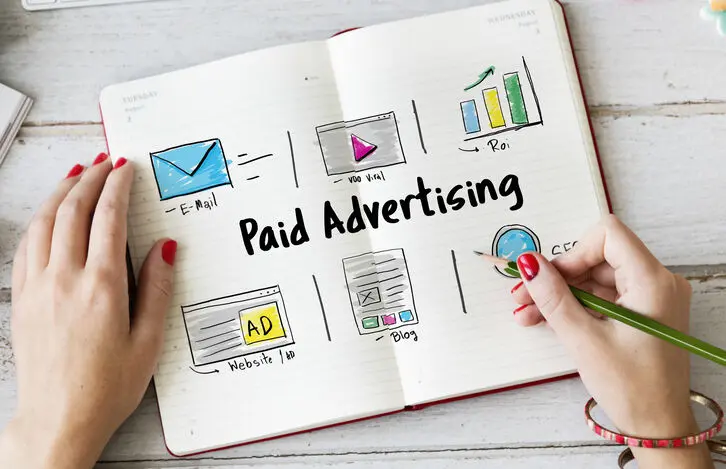
Google Ads for coaches puts you at the top of results when someone searches “business coach for startups” today, not three months from now. These people are already looking, and that’s the main advantage.
- Choose keywords that signal hiring intent, not just curiosity.
- Add negative keywords like “free,” “jobs,” or “certification” so you don’t pay for people who want to become coaches.
- Target only the locations you serve, or go wider if you coach online.
- Send clicks to a dedicated landing page.
- Set up conversion tracking so you know which clicks become booked calls.
- Start with a modest daily budget and judge lead quality before scaling.
It is important to understand that ads does not directly guarantee profit. Also, if not done right, it can quickly burn budget with no return.
If setup feels overwhelming, a google ads management agency or PPC specialist can save you expensive trial and error.
6. Use Email Marketing to Turn Interested Prospects Into Consultations
You streamlined your website with SEO, decorated your social media with relevant posts, and tuned in an effective ads strategy as well. This links you with a prospect that is interested. However, they are not looking to book a consultation today. A fine email marketing strategy keeps you in touch until the prospect is converted.
Offer a lead magnet tied to a real problem, such as a career pivot checklist or a short self assessment. Follow it with a brief welcome sequence that delivers value, explains your approach, and invites readers to a consultation.
- Segment subscribers by interest if you run different programs.
- Send consistently, even if that’s every two weeks.
- Get clear consent and include an easy unsubscribe link, as US commercial email rules require.
Not every subscriber becomes a client. Email works because it quietly moves the right ones closer to booking.
7. Track Your Marketing Results and Improve What Converts
The final strategy isn’t a channel or a framwork bringing in leads. Tracking helps you improve each channel on its own. For example, you track a 6 month report from each channel. Now, you have got yourself an idea on which channel is performing, which specific strategy works, and where did your last three clients were converted from.
Measure outcomes, not just traffic.
- Qualified inquiries, meaning people who fit your offer and budget
- Consultation bookings and attendance
- Consultation to client conversion rate
- Client acquisition cost for each channel
Track form submissions and bookings in Google Analytics, and ask every new client how they found you. Then act on it. If Instagram brings bookings but people skip calls, fix your reminders. If ads bring cheap leads who never buy, tighten your targeting.
Which Digital Marketing Strategy Is Right for Your Coaching Business?
|
Strategy |
Main Purpose | Best Use Case |
Key Metric |
| Website optimization | Convert visitors | Traffic with few inquiries | Consultation booking rate |
| SEO | Attract search traffic | Long term visibility | Qualified organic leads |
| Content marketing | Build trust | Educating undecided prospects | Content assisted inquiries |
| Social media | Build relationships | Discovery and engagement | Qualified inquiries |
| Google Ads | Capture active demand | High intent searches | Cost per qualified lead |
| Email marketing | Nurture prospects | Interested but undecided leads | Consultation bookings |
| Tracking | Improve performance | Any active marketing | Client acquisition cost |
If people visit your site but don’t inquire, fix your website first. If you need clients soon and have a budget to test, try Google Ads. If you’re building for the long run, invest in SEO and content. Most coaches do well with a strong website, one main traffic channel, and email, then expand from there.
When Should You Hire a Digital Marketing Agency?
You don’t need an agency to start. Help makes sense when you’re spending money without clear results, running several channels that don’t connect, or losing coaching hours to marketing work.
When you look for the best ppc marketing company or a social media marketing company, ignore big promises. Ask how they define a qualified lead, who manages your account, and how they report results. Location can matter too: a Texas coach looking for social media marketing in Austin may value a team that knows that market.
Turn Up Technologies offers digital marketing services covering SEO, paid ads, social media, and tracking, alongside website and design services for coaches who want one team handling the whole picture.
Conclusion
More followers and more traffic only matter if they lead to paying clients. The coaches who grow consistently choose strategies that attract the right people, make booking simple, and track what actually works.
Start with your biggest gap, fix it, then build the next layer. If you’d like help putting the pieces together, explore how Turn Up Technologies supports coaching business growth, or get in touch with our team to talk through your marketing.
Frequently Asked Questions
What is the best digital marketing strategy for getting coaching clients?
There’s no single best option. For most coaches, a conversion focused website paired with one reliable traffic source, such as SEO, LinkedIn, or Google Ads, delivers the strongest starting results.
Are Google Ads worth it for a coaching business?
They can be, especially for coaching services people search for directly. Results depend on keyword choice, landing page quality, and tracking, so start small and judge by booked consultations.
Which social media platform is best for finding coaching clients?
It depends on your audience. LinkedIn suits executive and career coaching, while Instagram and Facebook often suit life, wellness, and relationship coaching.
How much should you spend on digital marketing for your coaching business?
No universal figure applies. Start with an amount you can sustain for two to three months, then adjust based on cost per client compared with what each client is worth to you.
Can SEO help you get more coaching clients?
Yes, particularly for coaches whose clients search online for specific help. It builds slowly, but well optimized service pages and articles can bring steady inquiries for years.
How do you turn coaching leads into paying clients?
Respond quickly, confirm the lead fits your offer, run a structured consultation that focuses on their goals, and follow up with anyone who needs time to decide.